



Creating a Change-Ready Culture: What Leaders Tell Us Matters
What does it really take to build a change-ready culture?
A change-ready culture helps people and teams navigate change effectively, adapt to new ways of working and contribute to the outcomes an organisation is trying to achieve.
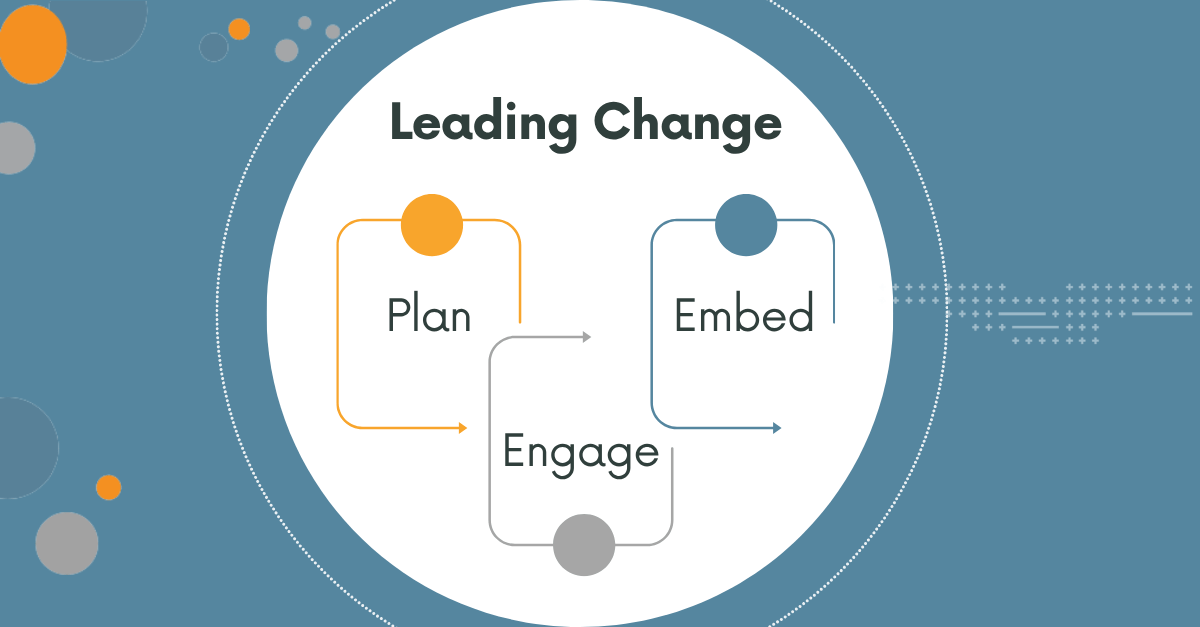
As part of our Leading Change programme, we ask leaders what they believe makes the biggest difference.
Not only what helps organisations implement change, but what enables people and teams to navigate it well.
The conversations are always insightful.
And while every organisation and every change is different, some clear themes continue to emerge.
Here are nine insights we’re hearing directly from leaders.
1. Give leaders the tools to lead change
- People leaders have an enormous influence on how change is experienced.
- Giving leaders across an organisation practical tools and know-how helps them lead change more effectively and creates a more consistent experience for their people.
2. Connect teams meaningfully with change
- Knowing what is changing isn’t necessarily enough.
- People need opportunities to understand why the change matters, what it means for them and how they can contribute.
- Meaningful connection helps move people from simply being informed about change towards becoming engaged with it.
3. Ask people how they feel — not only what they think
- Change isn’t purely rational.
- People may understand the business case and still feel uncertain, frustrated or anxious about what lies ahead.
- Creating space to understand how people feel, as well as what they think, gives leaders valuable insight into the support their teams may need.
4. Encourage curiosity
- What could we do more easily?
- What could we do better?
- What could we do faster?
Creating a culture where people are encouraged to question, explore and challenge existing ways of working can turn change into an opportunity for improvement rather than simply something to manage.
5. Keep supporting people after implementation
- The project may have been implemented. That doesn’t necessarily mean the change is complete.
- People and teams often need ongoing support as new systems, processes or behaviours become part of everyday work.
- Planning for what happens after implementation can be just as important as preparing for launch.
6. Stay open to unexpected solutions
- Some of the best ideas may not come from the original project plan.
- Create space for fresh thinking, innovative ideas and solutions that may sit outside the box.
- The people closest to the work often have valuable perspectives on how change can be made more effective.
7. Be intentional about change communication
- Communication during change needs more than volume.
- It needs thought and planning.
- What do people need to know? When do they need to know it? Who should they hear it from? And how can communication create dialogue rather than simply distribute information?
- Being intentional can make a significant difference.
8. Spend time with your teams
- There is no substitute for leaders getting close to what’s happening.
- Spending time with teams creates an opportunity to hear firsthand what’s working, where the challenges are and what potential solutions people themselves can see.
It also demonstrates that leaders are genuinely interested in people’s experience of change.
9. Leaders need to be aligned
- People notice when their leaders aren’t aligned.
- Strong change leadership requires leaders to understand the direction, actively support one another and provide their teams with consistency and confidence.
- Alignment doesn’t mean leaders can’t challenge or debate ideas.
But once a direction has been agreed, how leaders collectively show up matters.
A change-ready culture is built before you need it
Perhaps one of the most important insights from these conversations is that a change-ready culture isn’t something an organisation can suddenly switch on when a major transformation begins.
- It is built over time.
- Through leadership capability.
- Through curiosity.
- Through communication.
- Through listening.
- Through trust.
- And through creating an environment where people are accustomed to contributing, learning and adapting together.
Building a change-ready culture can also help organisations approach future change from a stronger starting point — with leaders who are equipped to lead and people who are more accustomed to learning, adapting and contributing.
Change will continue to happen.
The question for organisations isn’t simply:
“How do we manage the next change?”
It may be:
“What are we doing now to help our people become ready for whatever comes next?”
If change is happening in your organisation, explore Mather Consulting’s Leading Change programme and how it can help your people leaders engage, support and coach their teams through change.
For more insights, updates and news from Mather Consulting, follow us on LinkedIn.